Preface
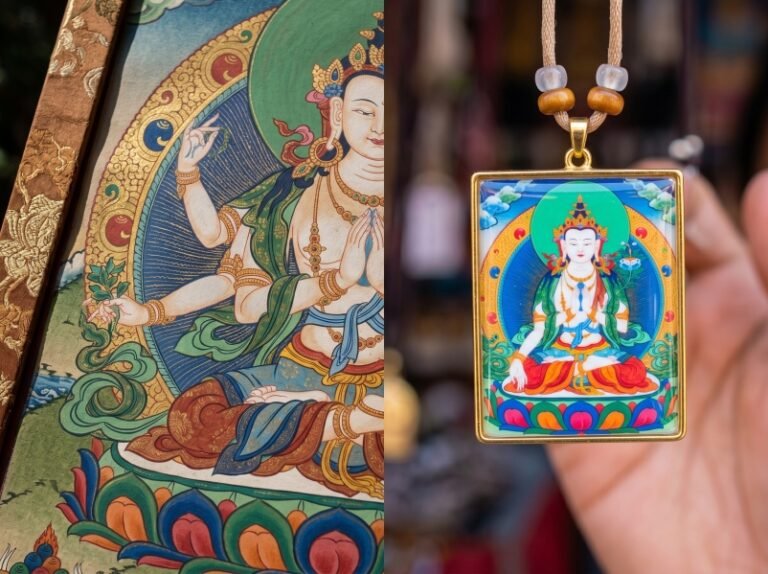
Mini Regong thangka pendants stored inside solid copper gawu boxes are divided into two mainstream production types by coloring material: hand-painted with natural mineral pigments and low-cost mass-produced chemical synthetic pigment thangka. The two differ drastically in texture, color durability, spiritual connotation, collection value and long-term preservation. Below is a detailed contrast and in-depth analysis of the irreplaceable value of natural mineral pigment thangka.
Part 1: Comprehensive Comparison Table
表格
| Comparison Dimension | Natural Mineral Pigment Thangka Pendant | Chemical Synthetic Pigment Thangka Pendant |
|---|---|---|
| Raw Material Source | Mined natural ore stones: azurite for blue, malachite for green, cinnabar for red, realgar, gold leaf, agate, pearl powder etc. All raw materials are natural earth minerals, ground and refined manually. | Industrial chemical dyes, artificial toner, watercolor ink, acrylic paint, cheap artificial pigment paste mass-produced by factories, chemically synthesized. |
| Painting Craft | Multi-layer repeated coloring. Artists grind ore into fine powder, mix with animal glue, apply layer by layer for 5–15 color coats; pure gold line hand outlining, long production cycle, high technical threshold for Regong master painters. | Single-layer flat coloring, quick one-time brushing; uniform printed line draft + simple coloring, finished in a few hours, no complex layered craft, can be produced in bulk by workers without professional thangka training. |
| Color Texture & Layering | Rich three-dimensional layering, matte and soft luster unique to minerals. Colors change subtly under different light: deep cobalt blue, jade green, warm cinnabar red, golden metallic glow, delicate color transition on deity ornaments and flame patterns. | Flat, dull single tone, plastic glossy surface. Color is stiff and uniform without gradation; red is harsh, blue is pale, gold part is cheap yellow paint without metallic texture, stiff and rigid overall picture. |
| Anti-fade & Preservation Lifespan | Extremely stable mineral molecular structure, anti-oxidation, light-resistant, moisture-proof. Properly preserved mini thangka inside gawu box can retain bright original colors for hundreds of years, color only mellow slightly over time without fading or discoloration. | Poor light resistance, easy oxidation. After 1–3 years of daily wearing (exposed to light, sweat, air), colors will fade, turn yellow, blur, red turns gray, blue fades to white, and surface paint peels off easily. |
| Spiritual & Religious Connotation | Traditional Tibetan Buddhist standard craft following ancient texts. Natural ores are regarded as pure sacred substances; mineral painting is a complete dharma practice process for painters, carrying devout faith. Highly recognized by believers for daily worship, meditation and spiritual wearing. | Industrial chemical raw materials do not conform to traditional thangka religious norms, lack spiritual ritual significance, only serve as simple decorative patterns, not recognized for formal spiritual practice. |
| Collection & Appreciation Value | Certified Regong master mineral thangka belongs to intangible cultural heritage artwork. Rare natural ore materials + hand multi-layer craft make every piece unique; global thangka collectors favor mineral pigment works, with stable long-term appreciation value. | Mass uniform industrial products, identical patterns in batches, no uniqueness, no collection appreciation potential; value depreciates rapidly after purchase, only low-cost decorative ornaments. |
| Production Cost & Market Price | High cost of rare natural mineral ores, long hand-painting cycle (3–7 days per mini pendant thangka), master painter labor cost, overall high production cost, mid-to-high end positioning. | Ultra-low cost of industrial chemical pigments, mass assembly line production, dozens finished per day, low labor cost, cheap entry-level positioning. |
| Skin Safety for Long-Term Wearing | Non-toxic, inert natural ore powder, no chemical volatile substances. Even if the thangka slightly contacts skin sweat inside the gawu box, it will not cause allergies or skin irritation, safe for long-term wear as necklace. | Contain chemical solvents, heavy metal additives and artificial dyes. Long-term contact with human sweat may precipitate irritating substances, easily cause neck skin itching, red allergy. |
Part 2: Core Unique Value of Natural Mineral Pigment Thangka Pendant
1. Eternal Color Retention, Passable Heirloom Craft
Natural minerals form stable crystal structures after millions of years of geological evolution, which cannot be easily decomposed by light, sweat, air and humidity. Worn daily inside a sealed pure copper gawu box, the mineral thangka will not fade for decades. As time passes, the color will form a mellow vintage texture instead of aging, and can be passed down as family spiritual heritage for generations. In contrast, chemical pigment thangka will lose its original look in just a few years of daily wear.
2. Authentic Regong Intangible Cultural Heritage Traditional Craft
The ancient mineral grinding and layered painting technique is the core skill of Regong Thangka, a national intangible cultural heritage with a thousand-year history. Tibetan thangka scriptures clearly record that formal sacred thangka must use natural ore pigments. Every ZN-Tangka mineral thangka is hand-drawn by certified Regong master painters, strictly abiding by ancient painting rituals and color standards, completely inheriting authentic Himalayan Buddhist art culture, which industrial chemical thangka cannot replicate.
3. Unique Layered Aesthetic & Natural Sacred Texture
No two mineral thangkas have identical color transitions. Repeated multi-layer mineral coloring creates soft, deep, natural color gradation that chemical flat painting cannot simulate. Natural gold powder, malachite green, cinnabar red produce subtle light refraction under sunlight, presenting a solemn, peaceful sacred atmosphere consistent with Buddhist aesthetic standards, greatly enhancing the spiritual sense of the wearable sacred ornament.
4. Profound Religious & Spiritual Significance
In Tibetan Buddhism, natural heaven-and-earth ores are pure offerings to Buddhas and Dharma protectors. The whole process of grinding ore, mixing glue and layering painting is a complete meditation practice for painters, infused with devout mindfulness and blessings. Wearing a mineral pigment thangka pendant equals carrying a pure sacred artwork conforming to traditional Buddhist norms, more suitable for meditation, spiritual practice and daily faith protection; chemical pigment works lack this sacred ritual connotation.
5. Safe & Skin-Friendly for Long-Term Daily Wear
Natural mineral raw materials such as azurite, malachite and cinnabar are pure inorganic stones without chemical additives, toxic solvents or artificial heavy metal dyes. Even with long-term contact with human sweat inside the gawu box, there is no risk of skin irritation, redness or allergies, suitable for sensitive skin groups to wear as necklaces all year round. Industrial chemical pigments contain volatile organic components and composite dyes, which will precipitate irritating substances when encountering sweat.
6. Unique Collectible Value with Long-Term Appreciation Potential
Each mineral pigment mini thangka is a one-of-a-kind hand-painted artwork. Restricted by scarce natural mineral raw materials and low master painting output, high-quality Regong mineral thangka works are continuously sought after by global Tibetan art collectors, with steady annual appreciation value. Chemical pigment thangka are mass-produced identical industrial goods with no uniqueness, their value drops sharply after purchase and hold no collection significance.
7. Premium Gift Meaning with Permanent Blessing Connotation
As a high-end spiritual gift for birthdays, business openings, meditation practitioners and elders, natural mineral thangka represents sincerity and preciousness. It symbolizes everlasting peace, wealth and protection blessings that do not fade with time, matching the lasting auspicious meaning of Buddha and Dharma protector deities; cheap chemical pigment thangka are only temporary decorative gifts without long-term heritage value.
Part 3: Purchase Guide Reminder for ZN-Tangka Customers
All ZN-Tangka series thangka pendants adopt 100% natural mineral ore pigments hand-painted by Regong Thangka Academy masters, equipped with pure gold line detailing, authentic intangible heritage craft, matched with solid copper gawu box. We never use chemical synthetic pigments for any hand-painted thangka works, ensuring every customer obtains a sacred, durable, collectible wearable spiritual art piece that conforms to traditional Tibetan Buddhist standards.
Short Version (For TikTok/Product Brief Introduction)
Natural mineral pigment thangka uses hand-ground natural ores including cinnabar, malachite and azurite for multi-layer painting, with soft layered colors that never fade for decades, non-toxic skin-friendly, conforming to thousand-year Regong traditional Buddhist craft, with collection and heirloom value.
Chemical pigment thangka adopts industrial synthetic dyes for one-time flat coloring, low cost and mass-produced, colors fade easily within 1–3 years of wear, containing chemical irritants, only simple decorative ornaments without spiritual and collection value.
Natural mineral thangka carries devout hand-painted faith, eternal color and intangible cultural heritage craft, which is the irreplaceable premium choice for believers to wear and collect.